How to Choose the Right Foundation Shade
Finding the perfect foundation shade can be challenging, but with the right tips and techniques, you can achieve a flawless, natural look.
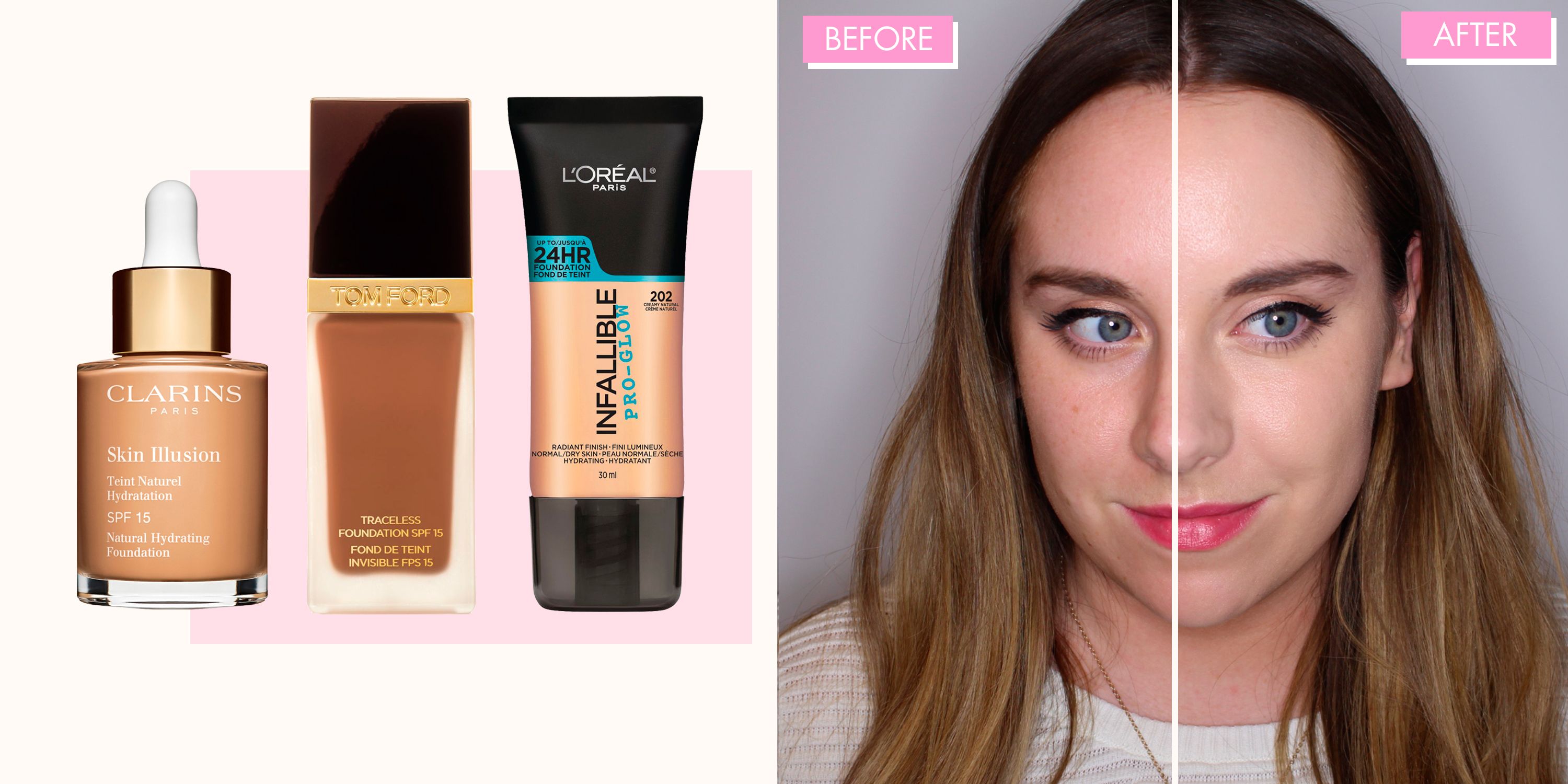
Understanding Your Skin Tone
Choosing the right foundation shade begins with understanding your skin tone. Skin tone is generally categorized into three main types: cool, warm, and neutral. Cool tones have pink, red, or blue undertones, while warm tones feature yellow, golden, or peach undertones. Neutral tones are a mix of both. To determine your skin tone, look at the veins on your wrist. If they appear blue, you likely have cool undertones. Green veins suggest warm undertones, and if you see a mix of both, you are likely neutral. Identifying your skin tone is crucial as it guides you to the foundation shades that will complement your natural complexion best.
The Importance of Natural Light
When testing foundation shades, always do so in natural light. Artificial lighting can distort the true color of the foundation and your skin, leading to mismatched shades. Apply a small amount of foundation to your jawline and blend it in. Then, step outside or near a window to observe how the foundation looks on your skin. Natural light reveals the true match, ensuring that the foundation blends seamlessly with your neck and face. This step is vital for avoiding the common pitfall of a foundation that looks perfect indoors but is noticeably different in natural settings.
Test Multiple Shades
Never settle for the first shade you pick up. Testing multiple shades is essential to find the perfect match. Choose three shades that appear close to your skin tone and apply them side by side on your jawline. Blend each shade and wait a few minutes to let them set. The shade that disappears into your skin without leaving a noticeable line is your ideal match. Testing multiple shades also helps you understand the subtle differences between them, ensuring that you pick the one that offers the most natural finish.
Consider Your Skin Type
Your skin type plays a significant role in how a foundation will look and feel on your skin. Oily skin benefits from matte or oil-free foundations that control shine and provide a longer-lasting finish. Dry skin requires hydrating or dewy foundations that add moisture and give a luminous glow. Combination skin may need a foundation that balances both oily and dry areas. Knowing your skin type helps you select a foundation formula that enhances your complexion and provides the desired finish, whether it's matte, dewy, or natural.
Seasonal Changes
Your skin tone can change with the seasons, affecting your foundation match. Summer often brings a tan, making your skin tone slightly darker, while winter can lighten your complexion. It's advisable to have at least two foundation shades: one for summer and one for winter. This ensures that your foundation always matches your current skin tone. Mixing these two shades can also help you transition between seasons seamlessly. Being aware of seasonal changes and adjusting your foundation accordingly ensures a consistent, natural look year-round.
Undertones Matter
Even within the same skin tone, undertones play a crucial role in finding the perfect foundation match. Foundations are often labeled with undertones such as 'cool', 'warm', or 'neutral'. A foundation with the wrong undertone can make your skin appear ashy or orange. To find the right undertone, consider the jewelry test: if gold jewelry looks better on you, you likely have warm undertones; if silver looks better, you have cool undertones. Neutral undertones suit both gold and silver equally. Matching the foundation's undertone with your skin's undertone ensures a harmonious, natural look.
Use the Right Tools
The tools you use to apply foundation can significantly impact its appearance. Brushes, sponges, and fingers each offer different finishes. Brushes provide a polished, full-coverage look, while sponges give a more natural, blended finish. Using your fingers can offer a quick, seamless application, as the warmth helps blend the foundation into the skin. Experiment with different tools to see which one works best for you and provides the desired coverage and finish. The right application tool can make a good foundation look flawless.
Seek Professional Advice
If you're still unsure about choosing the right foundation shade, consider seeking professional advice. Many beauty stores offer free foundation matching services where experts can help you find your perfect shade. Makeup artists have extensive knowledge and experience in matching foundations to different skin tones and types. They can also provide tips on application techniques and recommend products that suit your skin's needs. Professional advice can save you time and ensure that you invest in a foundation that enhances your natural beauty.