How to Reduce Food Waste at Home
Discover practical tips and strategies to minimize food waste at home, save money, and contribute to a sustainable environment.
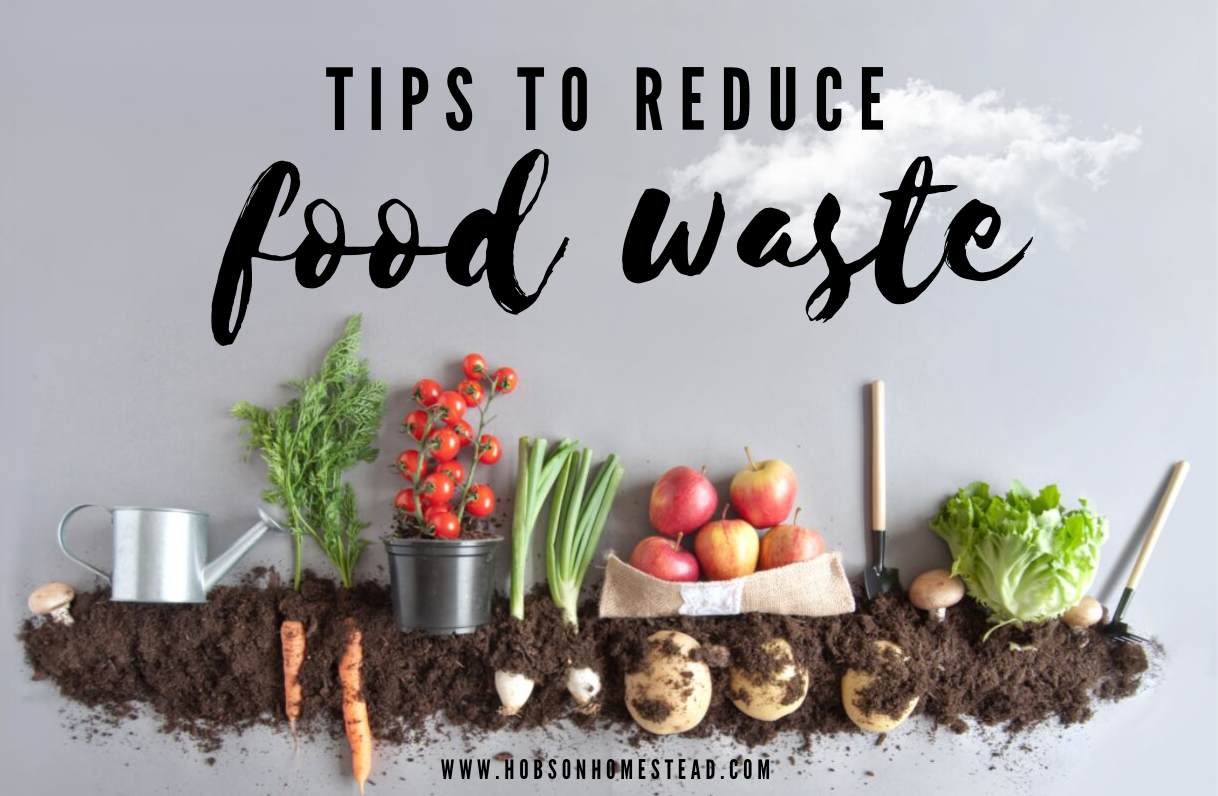
Understanding the Importance of Reducing Food Waste
Food waste is a growing problem that has significant environmental, economic, and social impacts. Reducing food waste at home not only helps you save money but also contributes to conserving resources and reducing greenhouse gas emissions. By being mindful of the food we purchase, store, and consume, we can make a positive difference. Understanding the importance of reducing food waste can motivate us to adopt better habits and make more sustainable choices in our daily lives. Every small action counts, and collectively, we can create a substantial impact on reducing food waste.
Planning Your Meals and Shopping Wisely
One of the most effective ways to reduce food waste is by planning your meals and shopping wisely. Before heading to the grocery store, take some time to create a meal plan for the week. Make a shopping list based on this plan and stick to it. Avoid impulse buys that often lead to excess food that may go unused. Consider the portion sizes and the number of people you are cooking for to avoid over-purchasing. Additionally, check your pantry and refrigerator to see what you already have, and plan meals that incorporate these items to prevent them from going to waste.
Proper Food Storage Techniques
Proper food storage is crucial in extending the shelf life of your groceries and reducing waste. Different foods require different storage methods to stay fresh longer. For example, store fruits and vegetables in the crisper drawer of your refrigerator, and keep them separate to prevent ethylene-producing fruits from spoiling other produce. Use airtight containers for leftovers and label them with the date they were prepared. Freeze items that you won't be able to use within a few days. By organizing your fridge and pantry, you can easily see what needs to be used up first, reducing the likelihood of food spoiling before you get to it.
Creative Ways to Use Leftovers
Using leftovers creatively can significantly reduce food waste. Instead of discarding excess food, think of ways to repurpose leftovers into new meals. For instance, roasted vegetables can be added to salads or turned into soups. Leftover rice can be used for fried rice or rice pudding. Stale bread can be transformed into croutons or breadcrumbs. Experiment with different recipes and ingredients to give new life to your leftovers. Not only does this minimize waste, but it also saves time and money. Get creative in the kitchen and challenge yourself to make delicious meals from what you already have.
Composting and Recycling Food Scraps
When food waste is unavoidable, composting and recycling food scraps are excellent ways to reduce the amount of waste that ends up in landfills. Composting organic waste, such as fruit and vegetable peels, coffee grounds, and eggshells, turns them into nutrient-rich soil that can be used in your garden. If you don't have a compost bin, consider starting one or look for community composting programs. Additionally, some food scraps, like citrus peels and herb stems, can be used to make natural cleaning products or infused oils. By finding ways to recycle food scraps, you contribute to a more sustainable environment and reduce your overall waste footprint.