Secrets to Long and Healthy Hair
Discover the essential secrets to achieving long, healthy hair, from proper nutrition and hair care routines to the best products and natural remedies.
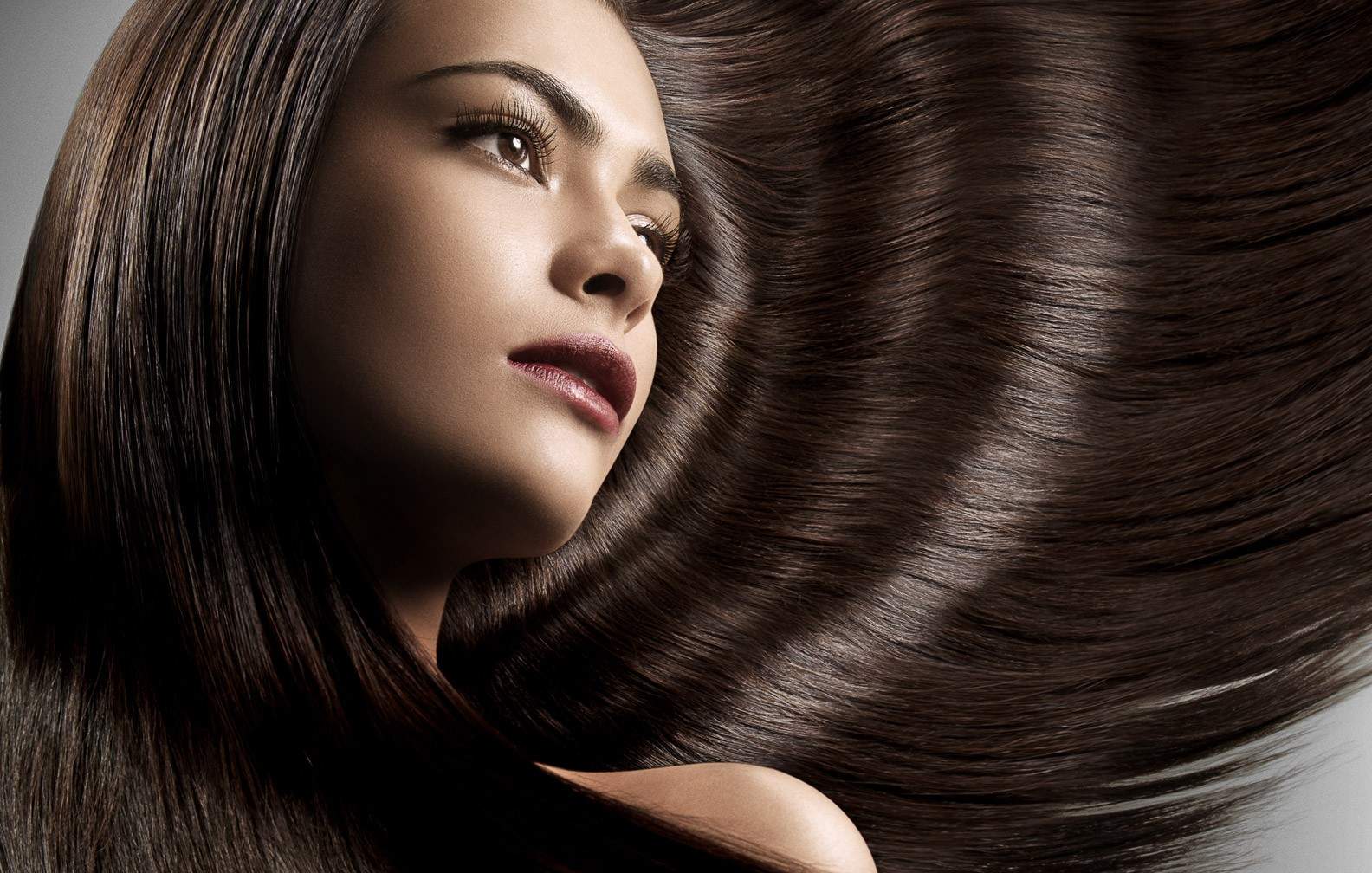
Proper Nutrition is Key
A balanced diet plays a crucial role in the health of your hair. Foods rich in vitamins, minerals, and proteins are essential for hair growth and strength. Proteins are the building blocks of hair, so incorporating lean meats, fish, eggs, and legumes into your diet can make a significant difference. Vitamins such as Vitamin A, C, and E along with minerals like zinc and iron also contribute to a healthy scalp and hair. Additionally, Omega-3 fatty acids found in fish, walnuts, and flaxseeds help to nourish hair follicles and promote growth. Remember, what you eat affects your hair from the inside out, so maintaining a nutritious diet is fundamental for long and healthy hair.
Hydration Matters
Staying hydrated is not only vital for your overall health but also for your hair. Water aids in the transportation of essential nutrients to the scalp and hair follicles, ensuring they remain moisturized and healthy. Dehydration can lead to dry, brittle hair that is prone to breakage. Aim to drink at least 8 glasses of water daily to keep your hair hydrated. You can also consume water-rich foods like cucumbers, oranges, and strawberries to boost your hydration levels. Additionally, using a hydrating shampoo and conditioner can help lock in moisture and keep your hair looking shiny and healthy. Hydration from both inside and outside is essential for maintaining long and healthy hair.
Gentle Hair Care Practices
How you handle your hair on a daily basis can significantly impact its health and length. Avoid excessive brushing or combing, especially when your hair is wet, as it is more susceptible to breakage. Use a wide-tooth comb to detangle your hair gently. Minimize the use of heat styling tools like blow dryers, curling irons, and straighteners, as they can damage your hair over time. If you must use them, always apply a heat protectant spray beforehand. Also, avoid tight hairstyles that can cause tension and lead to hair breakage. Opt for loose braids or buns to reduce stress on your hair. Treating your hair gently will help it grow longer and healthier.
Regular Trimming
While it may seem counterintuitive, regular trimming is essential for growing long and healthy hair. Trimming your hair every 6-8 weeks helps to get rid of split ends, which can travel up the hair shaft and cause more damage if left untreated. By removing these damaged ends, you prevent breakage and ensure that your hair remains healthy and strong. Regular trims also help to maintain the shape and appearance of your hair, making it look fuller and more vibrant. Remember, trimming your hair doesn't mean cutting off significant lengths; even a small trim can make a big difference in the overall health of your hair.
Scalp Care
A healthy scalp is the foundation for healthy hair growth. Keeping your scalp clean and free from buildup is crucial. Use a gentle shampoo to cleanse your scalp regularly, but avoid over-washing, as it can strip your hair of its natural oils. Massaging your scalp with your fingertips during washing can help to stimulate blood circulation and promote hair growth. You can also incorporate scalp treatments like oil massages using coconut, jojoba, or castor oil to nourish and moisturize your scalp. Exfoliating your scalp once a month can help to remove dead skin cells and improve overall scalp health. A well-maintained scalp is key to achieving long and healthy hair.
Avoiding Stress
Stress can have a significant impact on your hair health. High levels of stress can lead to hair loss and hinder hair growth. Practicing stress-relief techniques such as yoga, meditation, and deep breathing exercises can help to reduce stress levels and promote overall well-being. Ensuring you get enough sleep each night is also important, as your body repairs and regenerates during sleep, which includes your hair. Additionally, finding time for hobbies and activities that you enjoy can help to keep stress at bay. By managing stress effectively, you can support the health and growth of your hair.
Protective Hairstyles
Wearing protective hairstyles can help to minimize damage and promote hair growth. Styles such as braids, twists, and buns can protect your hair from environmental factors like wind, sun, and pollution. These hairstyles also reduce the need for frequent styling, which can cause wear and tear on your hair. When wearing protective styles, ensure that they are not too tight to avoid putting stress on your hair and scalp. Using satin or silk hair accessories can also reduce friction and prevent breakage. By incorporating protective hairstyles into your routine, you can help to maintain long and healthy hair.