The Benefits of Eating Seasonal Produce
Discover the health, economic, and environmental benefits of eating seasonal produce, and why it should be a part of your diet.
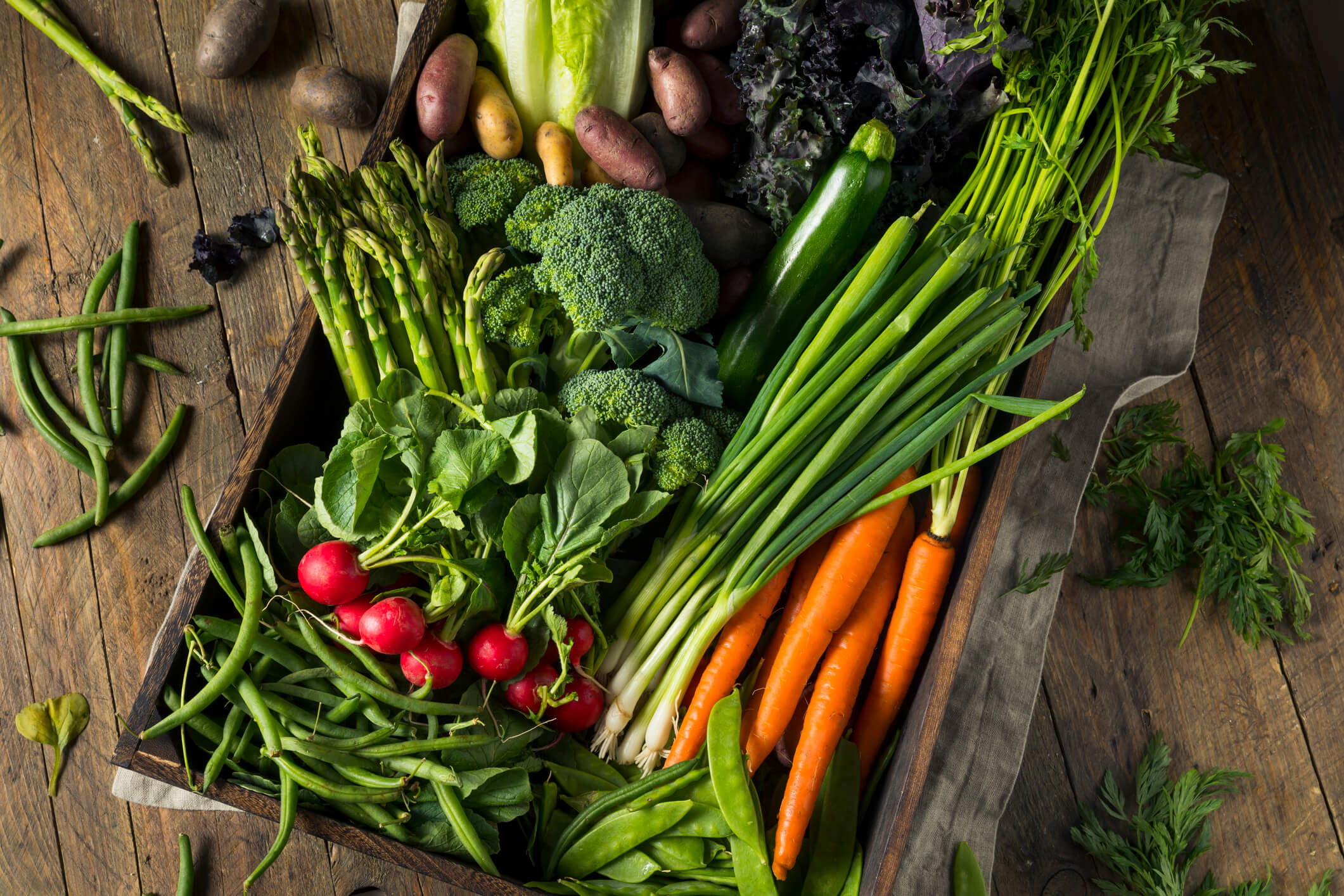
Understanding Seasonal Produce
Eating seasonal produce means consuming fruits and vegetables that are naturally harvested during their peak growing season. This practice is not only beneficial for your health but also for the environment. Seasonal produce tends to be fresher, more flavorful, and richer in nutrients compared to out-of-season counterparts that are often transported long distances and stored for extended periods. By choosing seasonal options, you also support local farmers and reduce your carbon footprint, making it a sustainable choice for conscientious consumers.
Nutritional Benefits
Seasonal fruits and vegetables are often more nutrient-dense. When produce is harvested at its peak ripeness, it contains higher levels of vitamins, minerals, and antioxidants. For instance, tomatoes harvested in the summer are more likely to be rich in Vitamin C and lycopene compared to those grown in a greenhouse during the winter. Consuming a variety of seasonal produce ensures a diverse intake of essential nutrients, contributing to overall health and well-being.
Cost-Effectiveness
Buying seasonal produce can be more cost-effective. When fruits and vegetables are in season, they are more abundant and therefore less expensive. Farmers can offer lower prices because they don't incur high costs related to storage and transportation. Additionally, purchasing seasonal items can help you save money while still enjoying high-quality, fresh produce. This practice also encourages meal planning around available ingredients, which can further reduce food waste and household expenses.
Environmental Impact
Choosing seasonal produce has a positive impact on the environment. When you opt for locally grown, in-season fruits and vegetables, you reduce the demand for out-of-season produce that requires energy-intensive methods like heated greenhouses and long-distance transportation. This reduction in energy use translates to lower greenhouse gas emissions, contributing to a healthier planet. Supporting local agriculture also helps maintain biodiversity and reduces the need for harmful pesticides and fertilizers.
Taste and Flavor
One of the most compelling reasons to eat seasonal produce is the superior taste and flavor. Fruits and vegetables that are harvested at their peak ripeness offer a natural sweetness and full-bodied flavor that is often lacking in out-of-season produce. For example, a strawberry picked in the spring will be juicier and more aromatic than one grown out of season. This enhanced flavor can make meals more enjoyable and encourage healthier eating habits.
Supporting Local Farmers
By purchasing seasonal produce, you directly support local farmers and the local economy. Farmers markets and community-supported agriculture (CSA) programs often provide a wide variety of seasonal fruits and vegetables. Buying from these sources helps small-scale farmers sustain their operations and promotes a sense of community. Moreover, it fosters a connection between consumers and the food they eat, increasing awareness about sustainable farming practices and food origins.
Variety and Creativity in Cooking
Eating seasonal produce encourages variety and creativity in the kitchen. Each season brings a new array of fruits and vegetables, inspiring you to try different recipes and cooking methods. This variety not only keeps meals interesting but also ensures a balanced diet. For example, summer might bring an abundance of zucchini and berries, while winter offers root vegetables and citrus fruits. Embracing seasonal produce can transform your culinary experience, making it both exciting and nutritious.