The Importance of Soft Skills in the Workplace
Soft skills like communication, teamwork, and adaptability are crucial for career success and organizational growth in today's workplace.
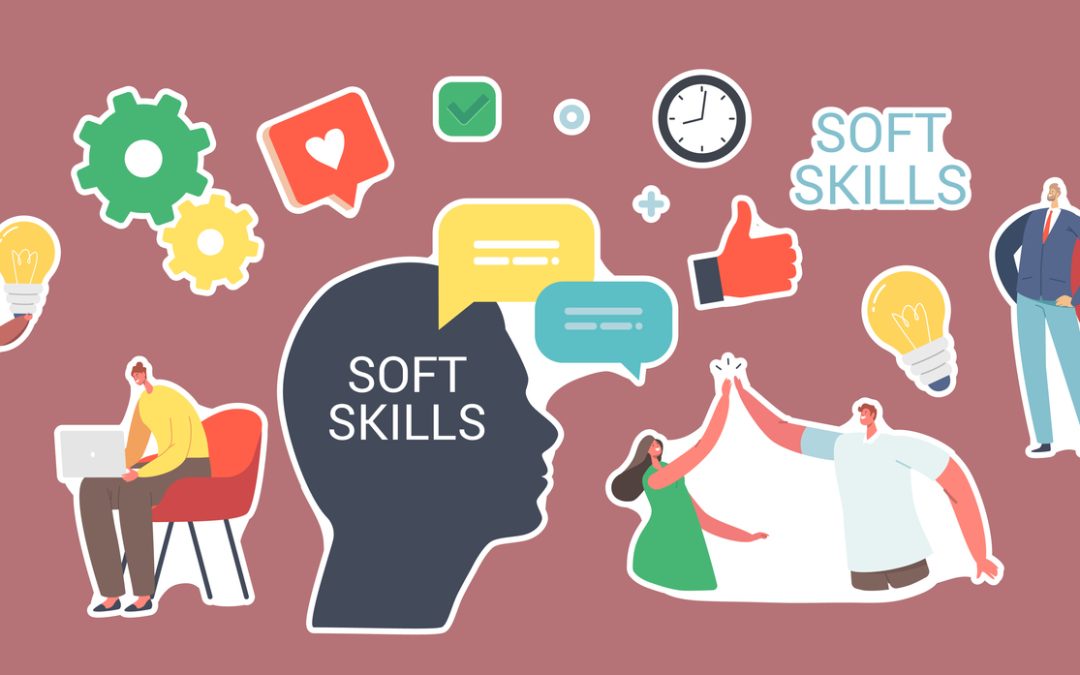
Understanding Soft Skills
In today's rapidly changing job market, soft skills have become as crucial as technical knowledge. These are the personal attributes, personality traits, and communication abilities needed for success in the workplace. Unlike hard skills, which are specific, teachable abilities, soft skills are more about how you interact with others. They include traits like empathy, teamwork, and problem-solving. Employers increasingly prioritize these skills because they contribute significantly to a company's culture and overall success.
Communication is Key
Effective communication is a cornerstone of soft skills. It involves not only speaking and writing clearly but also listening actively. Good communicators can convey their ideas succinctly and understand the perspectives of others. This skill is essential for collaboration and conflict resolution. In a multicultural workplace, being able to communicate across cultural boundaries can set you apart. Moreover, strong communication skills are linked to better customer service, which can enhance a company's reputation.
Teamwork and Collaboration
Teamwork is another vital soft skill that employers value highly. The ability to work well with others is essential for any organization. Teams that communicate effectively and collaborate efficiently can achieve their goals more quickly and with better results. This involves being able to delegate tasks, offer support, and accept feedback. A collaborative environment encourages creativity and innovation, as team members feel more comfortable sharing their ideas and solutions.
Adaptability and Flexibility
The modern workplace is constantly evolving, and the ability to adapt to new situations is invaluable. Adaptability and flexibility mean being open to new ideas, willing to learn new skills, and able to adjust to changing circumstances. These qualities are particularly important in industries that are subject to rapid technological advancements. Employees who can adapt quickly are often more resilient and better equipped to handle unexpected challenges, making them indispensable to their organizations.
Problem-Solving and Critical Thinking
Problem-solving and critical thinking are essential for navigating the complexities of the workplace. These skills involve analyzing situations, identifying problems, and developing effective solutions. Critical thinkers can assess the pros and cons of different approaches and make informed decisions. This ability is crucial for leadership roles, where strategic planning and decision-making are daily tasks. By honing these skills, employees can contribute to more efficient and effective operations within their organizations.
Emotional Intelligence
Emotional intelligence (EI) is the ability to understand and manage your own emotions, as well as those of others. High EI can lead to better workplace relationships and a more positive work environment. Self-awareness, self-regulation, motivation, empathy, and social skills are all components of emotional intelligence. Employees with high EI are often better at handling stress and can navigate interpersonal conflicts more effectively. This not only improves individual performance but also contributes to a more harmonious and productive workplace.