Understanding and Managing Stress
Learn how to identify stress, understand its effects on your body and mind, and discover effective strategies for managing it in daily life.
What is Stress?
Stress is a natural response of the body to challenges or demands. It can stem from various sources, such as work pressures, financial worries, or personal relationships. While a certain level of stress can be beneficial by keeping us alert and motivated, chronic stress can lead to numerous health issues. Understanding the triggers and impacts of stress is the first step towards managing it effectively. It's important to recognize that stress manifests differently in each individual, and what might be stressful for one person could be a minor inconvenience for another. By identifying personal stressors, individuals can begin to address them more effectively.
Physical Symptoms of Stress
Stress doesn't just affect the mind; it has tangible effects on the body. Common physical symptoms include headaches, muscle tension, fatigue, and digestive issues. Long-term stress can weaken the immune system, making individuals more susceptible to illnesses. Additionally, chronic stress is linked to serious conditions such as heart disease and hypertension. Recognizing these symptoms early can prompt individuals to seek appropriate interventions. Regular exercise, adequate sleep, and a balanced diet are crucial in mitigating the physical impacts of stress. It's also beneficial to practice relaxation techniques to alleviate these physical symptoms.
Emotional and Behavioral Signs
Beyond the physical manifestations, stress significantly impacts emotional well-being. Common emotional symptoms include anxiety, irritability, and depression. Behavioral changes might include withdrawing from social activities, changes in appetite, or increased use of alcohol or drugs. These emotional and behavioral signs can create a vicious cycle, further exacerbating the stress. By being aware of these signs, individuals can take proactive steps to manage their emotional health. Techniques such as mindfulness, meditation, and cognitive-behavioral strategies can be effective in addressing these emotional and behavioral symptoms.
Identifying Stress Triggers
To manage stress effectively, it's essential to identify its triggers. Common stressors include work-related pressures, family responsibilities, financial concerns, and major life changes. Keeping a stress diary can help pinpoint specific events or situations that cause stress. Once these triggers are identified, individuals can develop strategies to manage or avoid them. This might involve improving time management skills, setting realistic goals, or seeking support from friends and family. Understanding personal triggers allows for more targeted and effective stress management techniques.
Healthy Coping Mechanisms
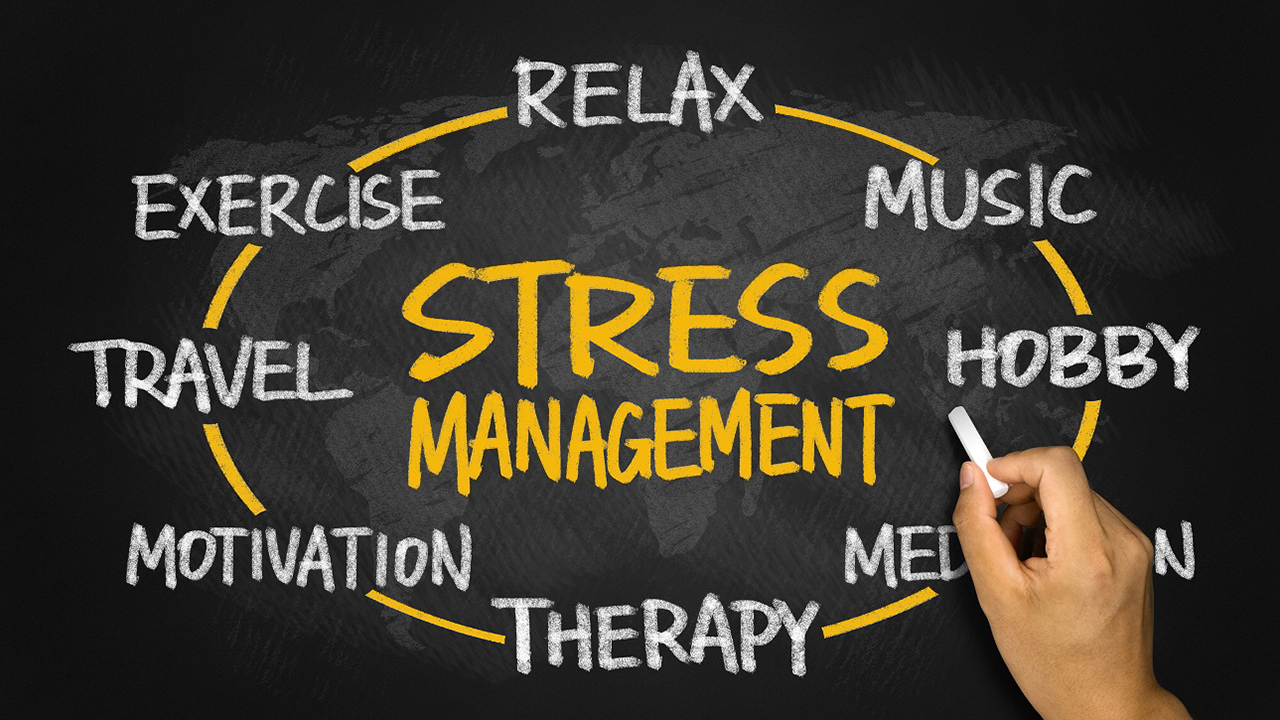
Developing healthy coping mechanisms is crucial for managing stress. Physical activities like walking, running, or yoga can help release tension and improve mood. Engaging in hobbies or activities that bring joy and relaxation can also be beneficial. Social support is another critical component; talking to friends, family, or a therapist can provide relief and perspective. Additionally, practicing mindfulness and meditation can help individuals stay grounded and reduce anxiety. It's important to find a balance and integrate these activities into daily routines for long-term benefits.
Professional Help and Therapy
Sometimes, managing stress requires professional intervention. Therapists and counselors can provide valuable tools and strategies for coping with stress. Cognitive-behavioral therapy (CBT) is particularly effective in changing negative thought patterns and behaviors. In some cases, medication might be prescribed to help manage symptoms of anxiety or depression related to stress. Seeking professional help is a sign of strength, not weakness, and can significantly improve one's quality of life. Regular therapy sessions can provide ongoing support and help individuals navigate stressful situations more effectively.
Long-Term Stress Management
Effective stress management is a long-term commitment. It involves making lifestyle changes and continuously practicing healthy habits. Regular physical activity, a balanced diet, adequate sleep, and strong social connections are foundational elements. It's also important to set realistic goals and prioritize tasks to avoid feeling overwhelmed. Incorporating relaxation techniques such as deep breathing, meditation, and progressive muscle relaxation can provide immediate relief. Over time, these practices can build resilience, making it easier to handle future stressors. Consistency is key; the more these techniques are practiced, the more effective they become in managing stress.