Understanding Different Types of Investments
Explore the various types of investments, including stocks, bonds, real estate, mutual funds, and more, to make informed financial decisions.
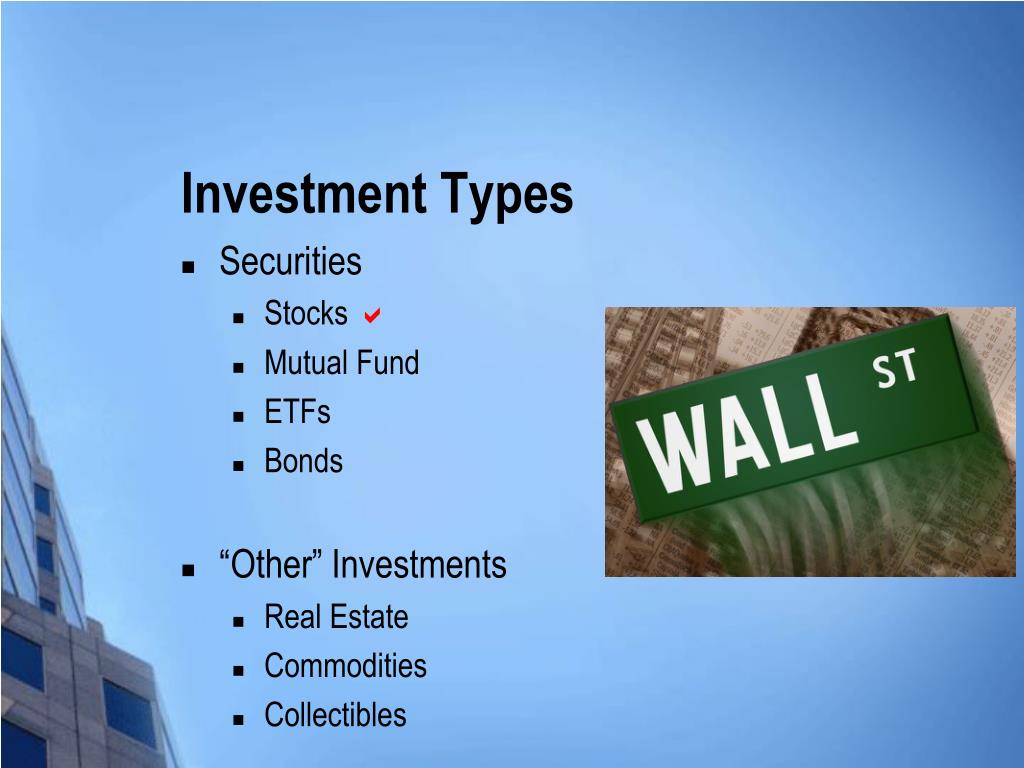
Stocks: Ownership in a Company
Investing in stocks means purchasing shares of a company, effectively buying a small piece of that business. Stocks are a popular investment option because they have the potential for high returns. When a company performs well, the value of its shares typically increases, allowing investors to sell their stocks at a profit. However, stocks are also volatile; their prices can fluctuate significantly in response to market conditions, company performance, and economic factors. It's essential to conduct thorough research or consult financial advisors before investing in stocks to understand the risks and potential rewards fully. Diversifying your portfolio by investing in different companies and sectors can help mitigate some of the risks associated with stock investments. For long-term growth, stocks have historically outperformed other types of investments, but they require a higher risk tolerance and a longer investment horizon to manage short-term volatility effectively.
Bonds: Lending Money to Entities
Bonds are essentially loans made by investors to corporations or governments. When you purchase a bond, you are lending money to the issuer in exchange for periodic interest payments and the return of the bond's face value when it matures. Bonds are generally considered safer investments compared to stocks, as they offer more predictable returns. However, they usually provide lower returns than stocks. The stability of bonds makes them an attractive option for conservative investors or those nearing retirement. There are different types of bonds, including government bonds, municipal bonds, and corporate bonds, each with varying levels of risk and return. Government bonds are typically the safest, while corporate bonds may offer higher yields but come with increased risk. Understanding the credit rating of a bond issuer is crucial, as it indicates the likelihood of the issuer defaulting on their debt obligations.
Mutual Funds: Pooling Resources
Mutual funds are investment vehicles that pool money from multiple investors to purchase a diversified portfolio of stocks, bonds, or other securities. Managed by professional fund managers, mutual funds offer individual investors access to a diversified portfolio, which can help reduce risk. There are various types of mutual funds, including equity funds, fixed-income funds, and balanced funds, each catering to different investment goals and risk appetites. Mutual funds charge management fees, which can impact overall returns. However, their diversified nature makes them an appealing option for those looking to invest without the need for extensive research or active management. Investors can choose between actively managed funds, where fund managers make investment decisions, and passively managed funds, such as index funds, which aim to replicate the performance of a specific market index.
Real Estate: Tangible Asset Investment
Real estate investment involves purchasing property, either residential or commercial, to generate income or appreciate over time. Real estate can provide a steady income stream through rental payments and has the potential for significant long-term appreciation. Unlike stocks and bonds, real estate is a tangible asset, offering a sense of security for some investors. However, real estate requires substantial capital, ongoing maintenance, and management efforts. Additionally, the real estate market can be influenced by economic conditions, interest rates, and local market dynamics. Investors can also explore Real Estate Investment Trusts (REITs), which allow them to invest in real estate without owning physical property. REITs trade on stock exchanges and provide exposure to a diversified portfolio of real estate assets, offering a more liquid and accessible way to invest in real estate.
Commodities: Investing in Physical Goods
Commodities are physical goods such as gold, silver, oil, and agricultural products that can be bought and sold in the investment market. Investing in commodities can provide a hedge against inflation, as their prices often rise when the cost of living increases. Commodities can be volatile, influenced by factors such as supply and demand, geopolitical events, and natural disasters. Investors can gain exposure to commodities through futures contracts, commodity-focused mutual funds, or exchange-traded funds (ETFs). Directly investing in physical commodities requires storage and security considerations, making it less practical for some investors. Commodities can add diversification to an investment portfolio, as their performance often differs from stocks and bonds. However, due to their complexity and risk, commodities are generally recommended for experienced investors or those with a specific interest in this asset class.
Cryptocurrencies: Digital and Decentralized
Cryptocurrencies are digital or virtual currencies that use cryptography for security and operate on decentralized networks based on blockchain technology. Bitcoin, Ethereum, and other cryptocurrencies have gained popularity as alternative investments due to their potential for high returns and the growing acceptance of blockchain technology. Cryptocurrencies are highly volatile and can experience significant price swings in short periods, making them a high-risk investment. They are not backed by any physical asset or government, adding to their speculative nature. Investors interested in cryptocurrencies should conduct thorough research and be prepared for the potential of losing their entire investment. Cryptocurrencies can be purchased through various online exchanges and stored in digital wallets. As the market and regulatory environment for cryptocurrencies continue to evolve, they remain a dynamic and controversial investment option that requires careful consideration and risk management.